Local teachers gain new literacy tools through FGCU workshop

5 – minute read

Michele Byrne, an assistant professor of literacy at Florida Gulf Coast University, has more than 300 picture books in her teaching library. She says she can’t possibly pick a favorite to read to children. She can, however, choose the one she most often suggests to her college students and literacy teachers: “What Do You Do With an Idea?” by Kobi Yamada.


“I use it as a mentor text because it shows how an idea can begin small, grow over time and eventually have an impact beyond the person who first imagined it.”


That message was the guiding principle behind a “train the trainer” literacy workshop she led in September with Lee County School District teachers.


“It began with an idea about how we could better support families. By preparing literacy coaches to take strategies back to families, that one idea now has the potential to reach many more children across the district,” Byrne says. 

Family literacy partnerships matter


Many parents may want to help their children learn to read but don’t know where to start. That’s where K-12 literacy teachers — and FGCU alumni — come in.


Brittainy Palumbo (’10, early childhood education) has been a kindergarten teacher for 15 years. She attended the September workshop as the literacy contact for K-2nd grades at Bayshore School in North Fort Myers.


“We get so busy and wrapped up in our day-to-day workload that sometimes we can forget that parents don’t have all of the knowledge and vocabulary of educational skills that teachers do,” she says.


Her biggest takeaway from Byrne’s workshop was learning new ways to equip families with simple, no- or low-cost resources that help children strengthen literacy skills outside the classroom.


“Literacy is fun and doesn’t need to be hard,” she says. “Reading to your child every night is so important.”


When a child gains confidence as a reader, Palumbo sees it in the classroom in their willingness to participate more and help peers develop the skill they’ve learned.


“Reading and literacy are single-handedly the most important things to make sure these students are successful in life,” she says. 


Palumbo believes family literacy partnerships are so important for K-12 student success because “it takes a village — and teachers and parents need to be a team working together.” Teachers “can only do so much in the classroom,” she says, so when parents reinforce skills at home, students are more likely to retain what they’ve learned and continue making progress.

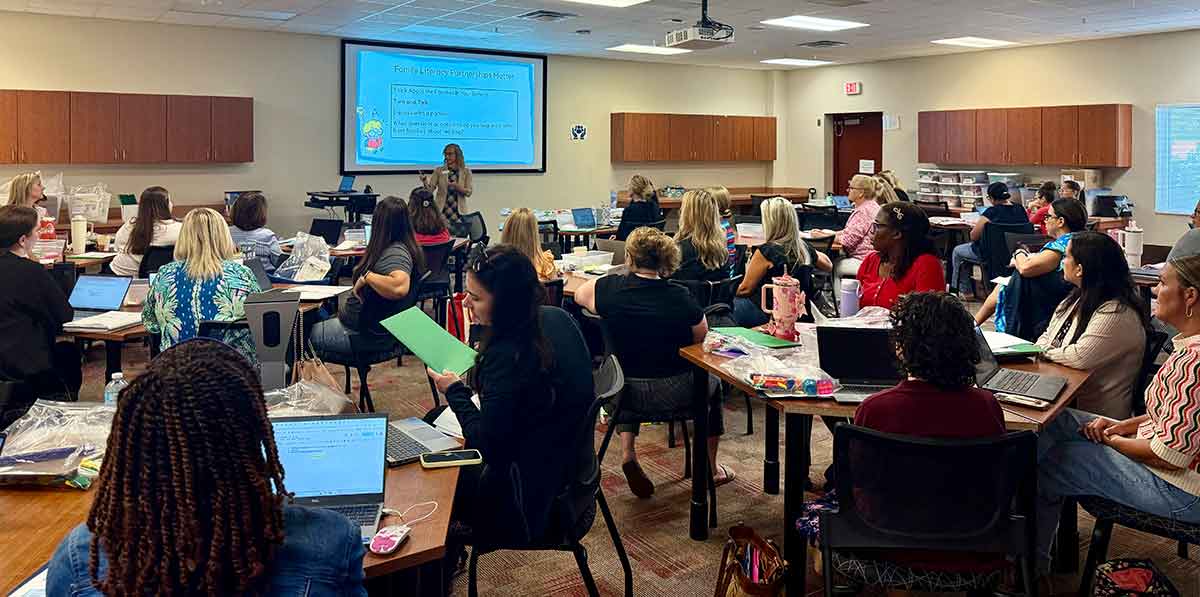
An outdoor head shot of a smiling blonde woman in a blue top with white piping on her short sleeves
Michele Byrne is an assistant professor of literacy at FGCU. Photo by James Greco.

‘Keep it simple’


Brittney Russo (’10, elementary education, ’12 master’s of education in curriculum and instruction) is a third grade English language arts teacher, a K-5 literacy coach and the parent-teacher organization teacher liaison at San Carlos Park Elementary School in Fort Myers.


Parents who want to be more involved don’t always know how or when to step in, she says. One of the activities she learned from Byrne’s training covers both: a way for moms and dads to practice letter sounds, or phonemes, with kids in the car.


“As a mom of three, we spend a lot of time in the car going from one sport to another,” she says. “Many parents are in that same situation, so the fact that we can tell those parents how they can practice phonemic awareness with their children while they’re driving from football to softball is a huge win for families.”


Palumbo and Russo are exactly the kind of educators Byrne hoped to reach through her “train the trainer” workshop. By equipping literacy leaders with practical tools and strategies to share with families, Byrne hopes to strengthen early literacy development across Southwest Florida, extending learning beyond the classroom and into homes and bedtime reading routines.


According to Byrne, literacy research shows that children must hear sounds before matching them to specific letters as the necessary groundwork in learning to read.


“When you close your eyes and listen to the word ‘cat,’ you can hear three separate sounds,” Byrne says.


Her workshop focused on phonemic awareness, which involves pulling those sounds apart and then blending them back together to make the word. This creates an important foundation for later reading and spelling success.


“For many parents, words like phonemic awareness, phonics, segmenting and blending are another language,” Russo says. “This partnership allows parents to have a better understanding of how we teach our children to read, to better support them at home.”


The terminology may sound intimidating, but Byrne says the strategies themselves are surprisingly easy. Her advice is straightforward: Keep it simple. Read together, talk together and play with sounds in words. 


“Five or 10 minutes of meaningful interaction can give children valuable practice and help families feel successful,” she says. “Children need conversation and feedback. When we read aloud, talk about the story, explain new words and ask questions with children, we are building the language and vocabulary they need to understand what they read.”

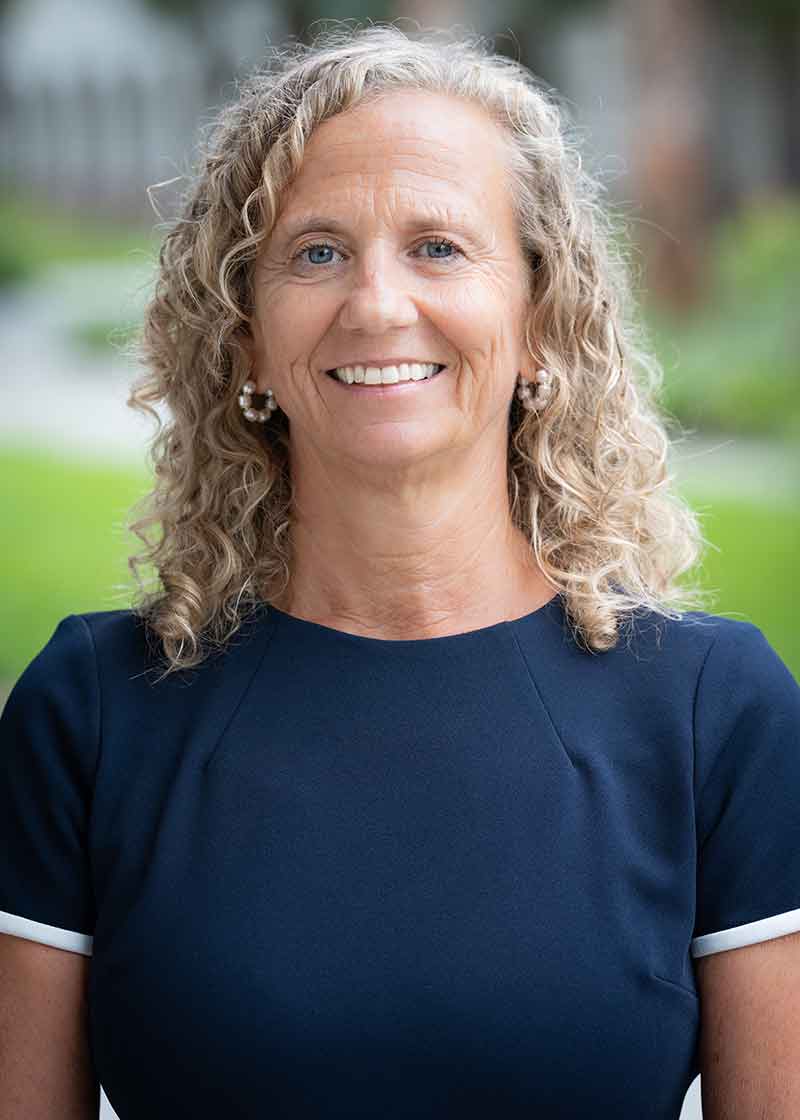
A classroom full of seated adults and an instructor at the front of the room with a presentation on a whiteboard
Michele Byrne led a “train the trainer” literacy workshop in September with Lee County School District teachers. Photo provided.

Providing a model for families


Rather than asking parents to become reading specialists, Byrne wants to give them practical strategies they can confidently use. And the best way to support them, she reasons, is to educate literacy teachers.


“A parent is much more likely to use a strategy when someone models it, explains why it matters, and gives them an easy way to try it at home.”


With what she learned in Byrne’s workshop, Palumbo hopes to host a literacy night at her school. 


“It feels good to know that we are working hard every day to send successful readers onto the next journey in their school careers,” she says. 

Subscribe to 360
Tweet
Share
Share