Preserving the past: FGCU intern helps build digital news archive

6 – minute read

Jayson Cathey and WINK News haven’t merely been an organic fit — they’ve been a deep harmony of minds and spirits.


Cathey, a history major set to graduate from Florida Gulf Coast University in December, had applied for 10 internships that involved archiving and landed two interviews.


One was with WINK News operations manager Brad Dotson, who sensed something strikingly perfect in Cathey’s application.

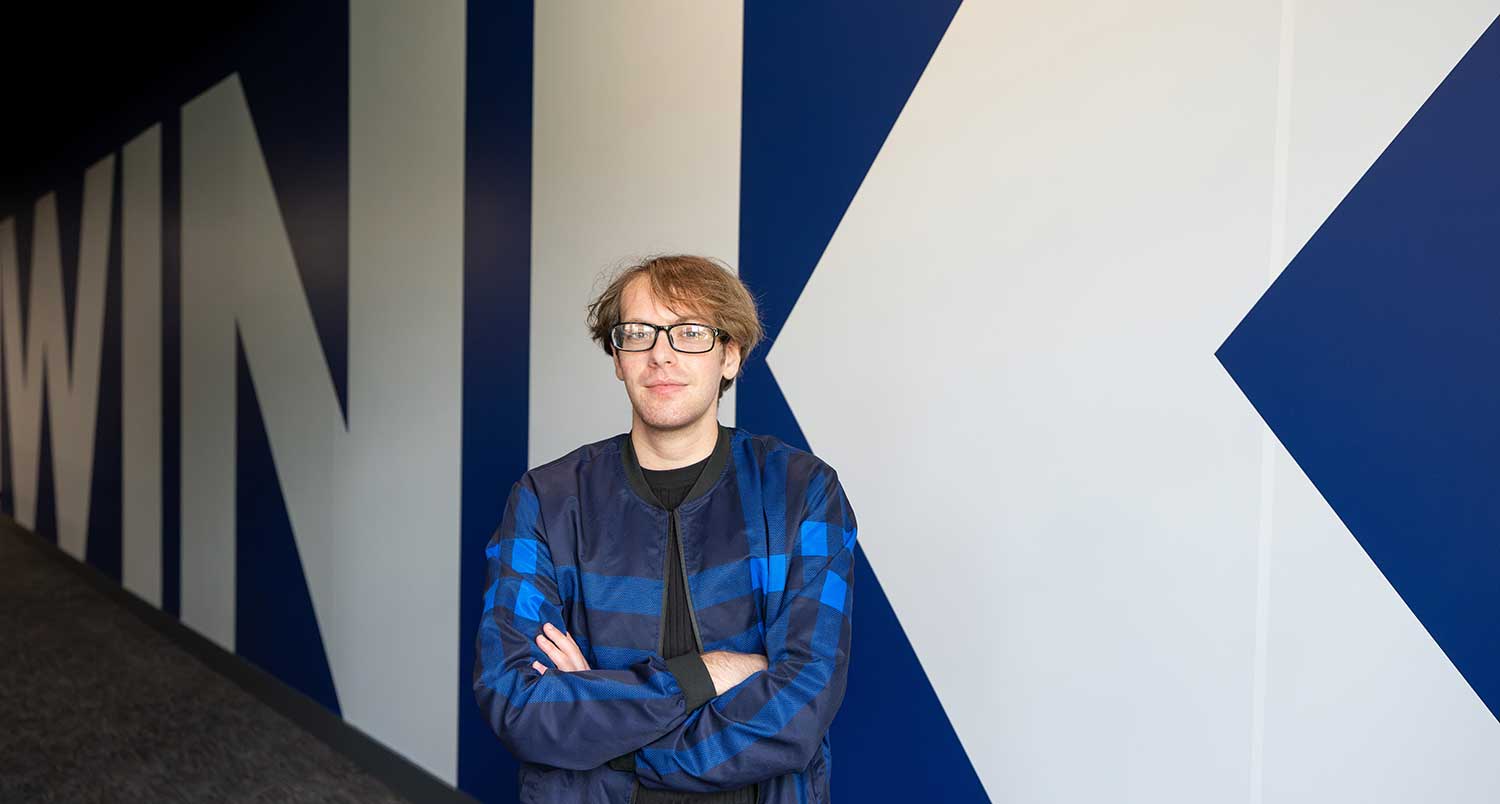
Student standing front of WINK logo in production and broadcasting facility
After graduating, Jayson Cathey plans to pursue a master of library and information science degree while continuing his work in University Archives & Special Collections.

“What impressed me most about Jayson was that he wasn’t looking for a traditional newsroom internship,” Dotson says. “Most internship applicants want to become reporters, photographers, producers or anchors. Jayson came to us with a genuine passion for archival science and preserving history.”


Cathey stood out because he wasn’t simply looking for experience, according to Dotson. He already had a strong foundation in archival theory, digital collections and preservation through his work at FGCU’s University Archives & Special Collections.


“He understood why metadata, organization and digitization matter, and he recognized that local television news is an important historical record of our community,” Dotson says. “When the local FOX affiliate became part of the WINK family, we inherited thousands of hours of videotape that needed to be preserved before the media deteriorated. That project matched his interests perfectly. It was one of those rare situations where the right person came along at exactly the right time, and hiring him was an easy decision.”

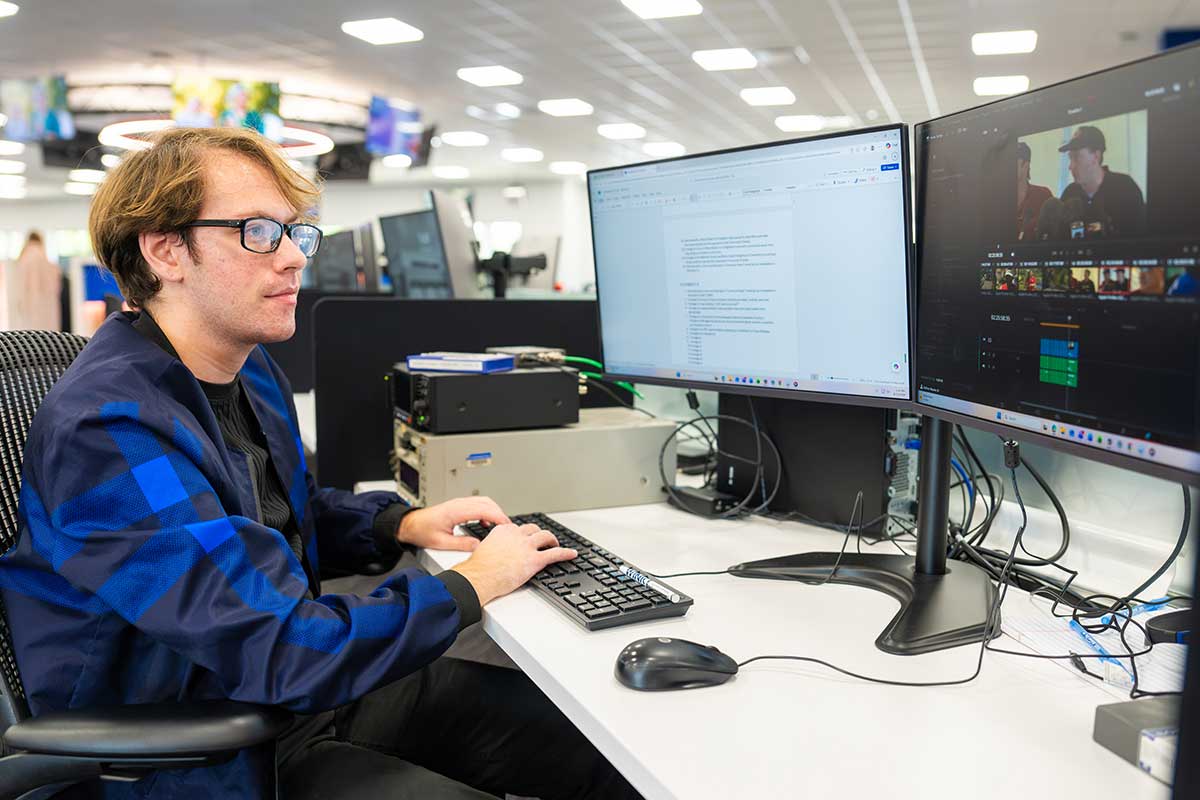
Student edits digital media content on dual monitors in production lab
Cathey is helping WINK News preserve history by converting thousands of hours of news videotape into a searchable digital archive.

Finding personal connections to history


Archiving is meticulous but valuable work. Cathey isn’t simply converting videotapes — he’s preserving the visual history of Southwest Florida, transforming it into a digital archive that will benefit journalists, researchers and the community for years to come.


And that history strikes a personal note with Cathey, who grew up in Fort Myers. He finds it inspiring to come across news about things he remembers from childhood, such as the former Boston Red Sox spring training stadium.


“We have footage from City of Palms Park during spring training — and now that whole complex is demolished, so it’s a record not just of the building but of the joy experienced inside it that will never happen again. We also have footage from local historical figures while they were still alive, like Veronica Shoemaker, Fort Myers’ first Black councilwoman.”

Cathey is helping WINK, Southwest Florida’s CBS affiliate, preserve decades of the region’s television history by converting thousands of hours of videotape into a searchable digital archive.


He begins by cataloging each box of tapes in a metadata spreadsheet, following archival standards inspired by the Dublin Core metadata system. He then identifies reporter tapes and other recordings containing historically significant footage that warrant preservation.


Each tape typically contains 20 to 60 individual news stories or clips. While digitizing the footage, Cathey reviews every clip and writes a concise synopsis describing its contents. He uses a consistent vocabulary and standardized keywords to ensure that the archive can be searched efficiently and reliably in the future.


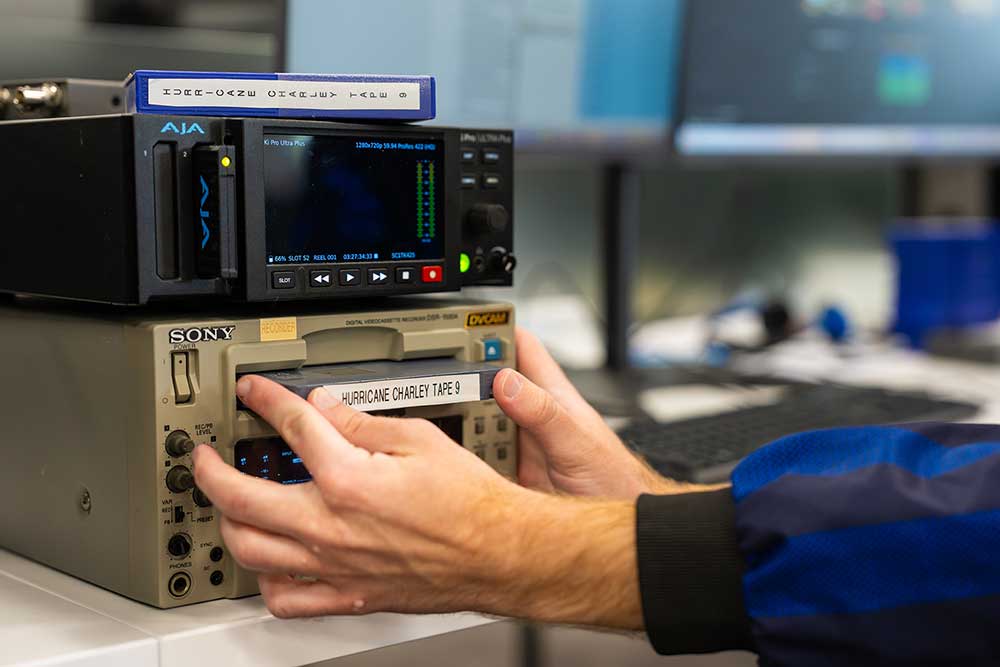
Once the footage has been digitized, he renders the files into optimized digital formats, organizes them into folders by tape and backs them up to Microsoft 365. Finally, he imports each clip into WINK’s BitCentral media asset management system, adding searchable descriptions and keywords that enable newsroom personnel to retrieve footage instantly — even years from now.


“Being able to start this archival project from scratch has given me a really unique experience that shows that I can self-start and succeed independently,” Cathey says. “I think that this project will help me stand out because starting an archival project is a privilege that not many people get. I also feel that this skill set will benefit me because older forms of media like VHS and CDs are only going to become more common in archives.”

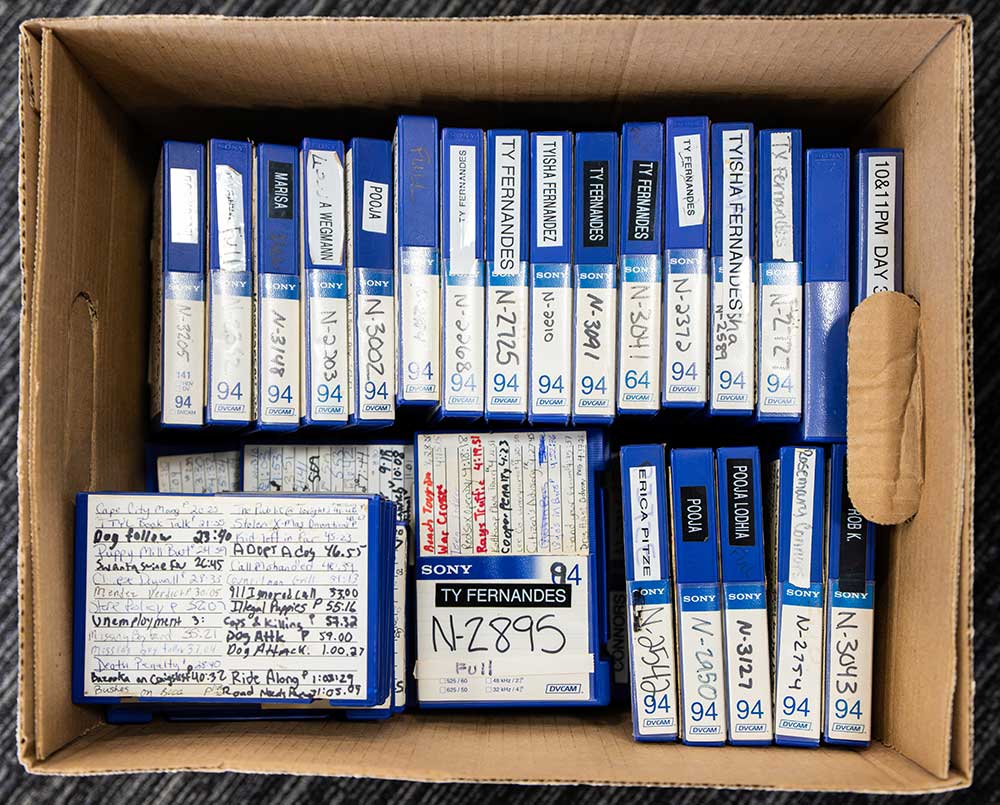
Archive of broadcast media tapes supporting digital preservation projects
WINK inherited thousands of hours of videotape that needed to be preserved before the media deteriorated.

Gaining career-related experience


Cathey’s paid internship is giving him hands-on experience directly applicable to the career he wants to pursue. He’s learning how a large media organization preserves and manages massive volumes of audiovisual content while building practical skills in digitization, digital asset management, metadata, cataloging, quality control and long-term preservation.


“Just as importantly, he’s learning that archives are more than storage,” Dotson says. “Every news story becomes part of the historical record. A 30-second clip of a crash on U.S. 41 from 2006 may not seem significant today, but years later it could become an important resource for journalists, historians, documentary filmmakers, researchers or members of the community looking back at how Southwest Florida has changed over time.


“His experience at WINK News demonstrates that archival science isn’t limited to museums or libraries. Those same skills are valuable across television, government, higher education, historical societies and cultural institutions.”


Although Cathey’s internship officially ended Aug. 15, he stayed on at WINK to continue the archiving project.


After graduating, he plans to pursue a master of library and information science degree while continuing his work in University Archives & Special Collections. He’s open to a vast world of possibilities — not just limited to a “museum gig.”


“I think that it is a really common misconception — that archivists only work in museums,” he says. “While archival skills are desirable in museums, it’s not the only career path you can take. Many archivists work in private companies or universities or public libraries.


“Archives and museums are not just old stuff behind glass or hidden in boxes. They are places to ensure access to information. What makes a museum different is curation, taking objects and developing an argument using the space. I don’t not want to work in a museum, but there are just as many worthwhile experiences and interesting collections in other institutions.”

Subscribe to 360
Tweet
Share
Share