Contributors: James Greco, Photos | Rob Salazar, Video
8 – minute read
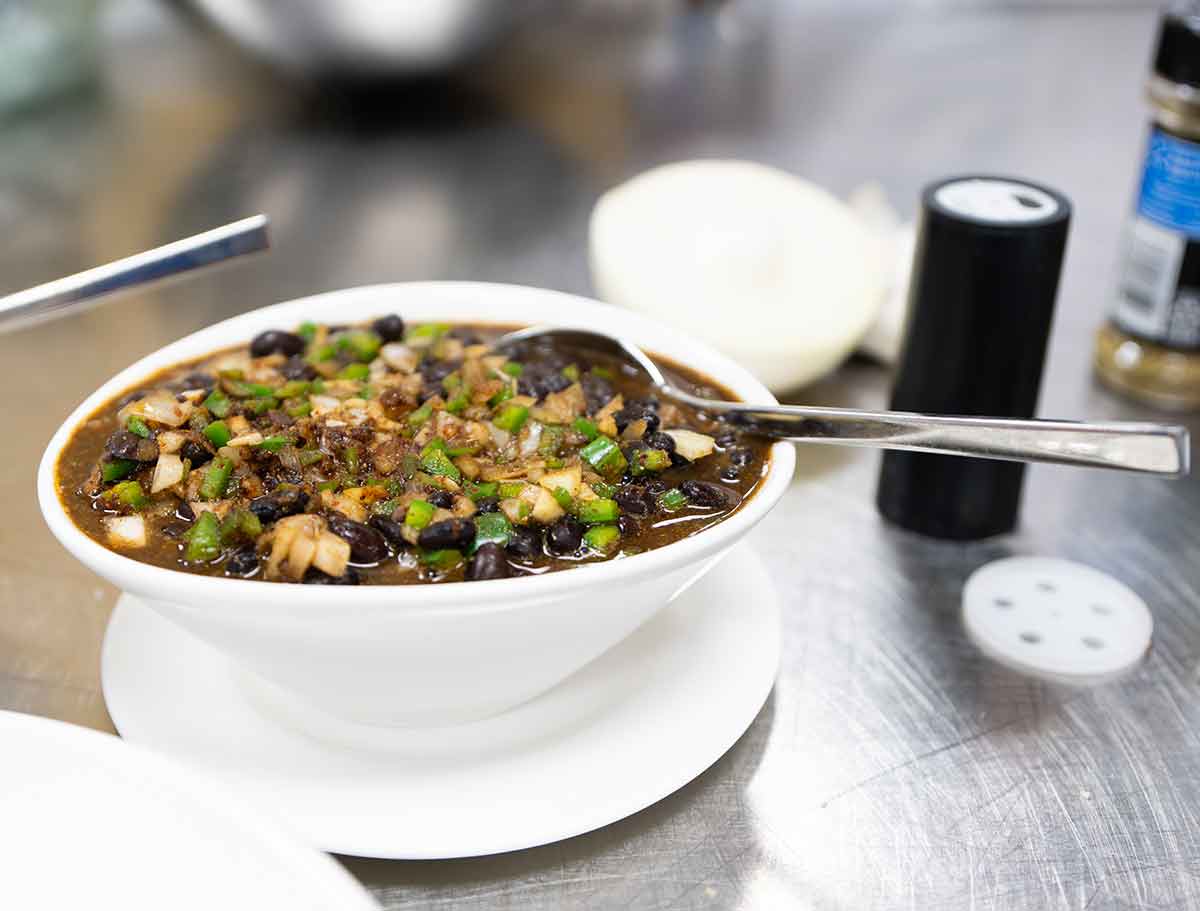
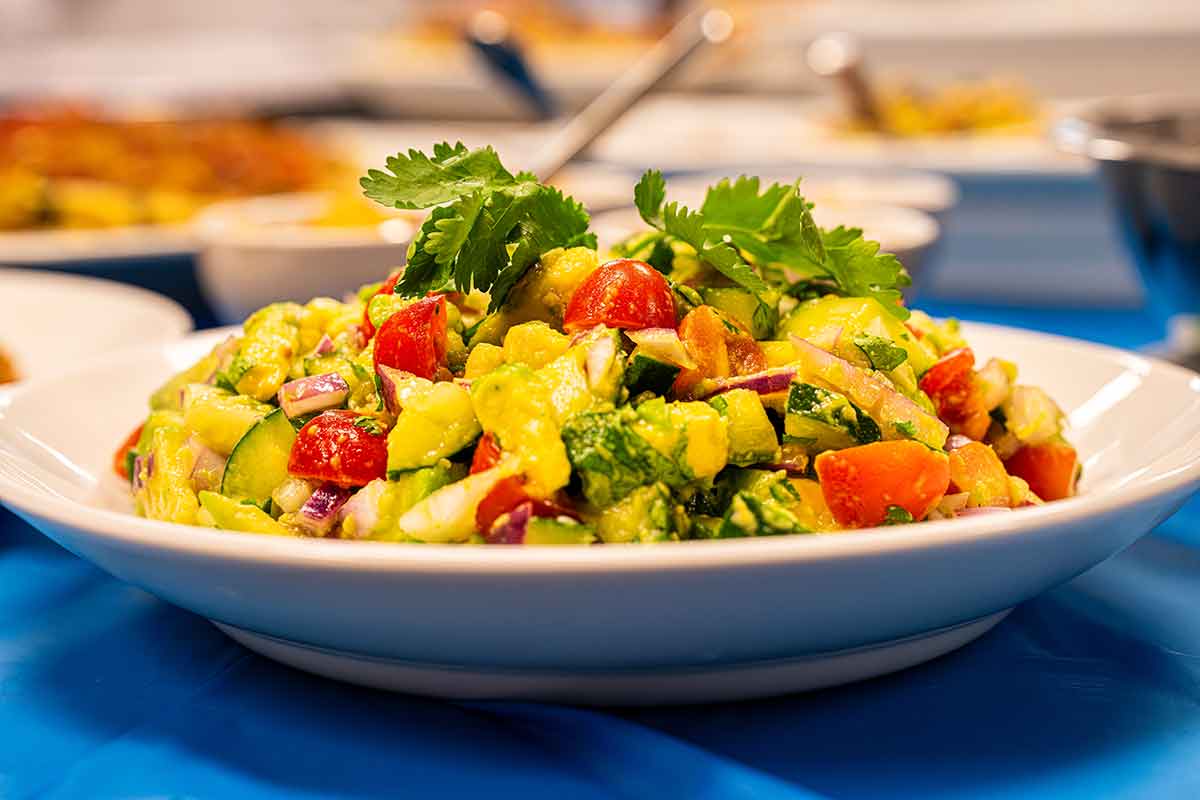
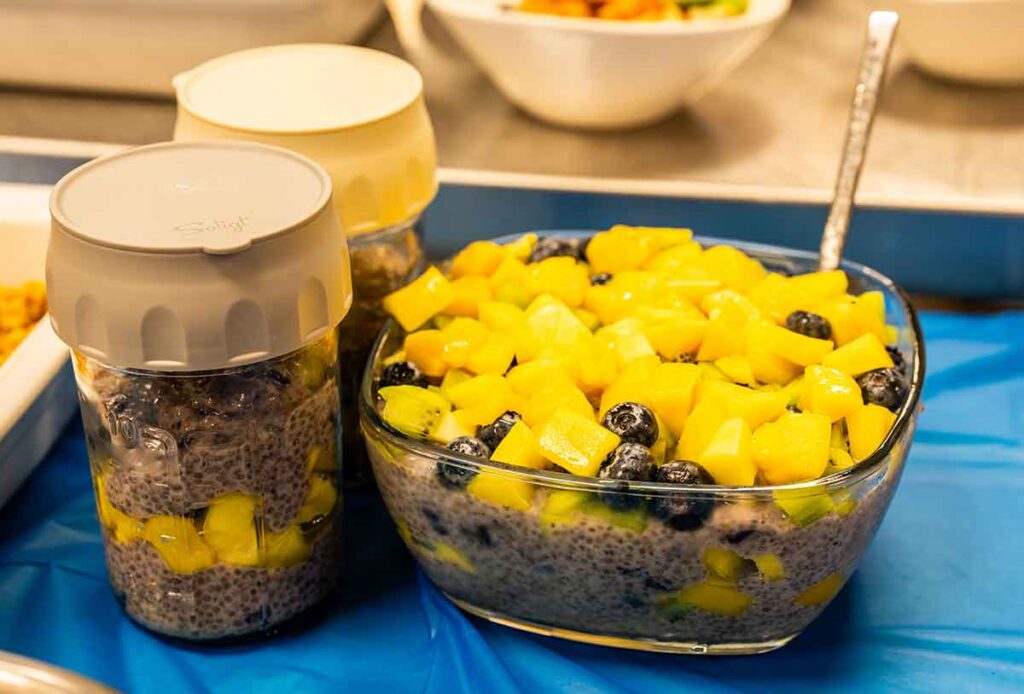
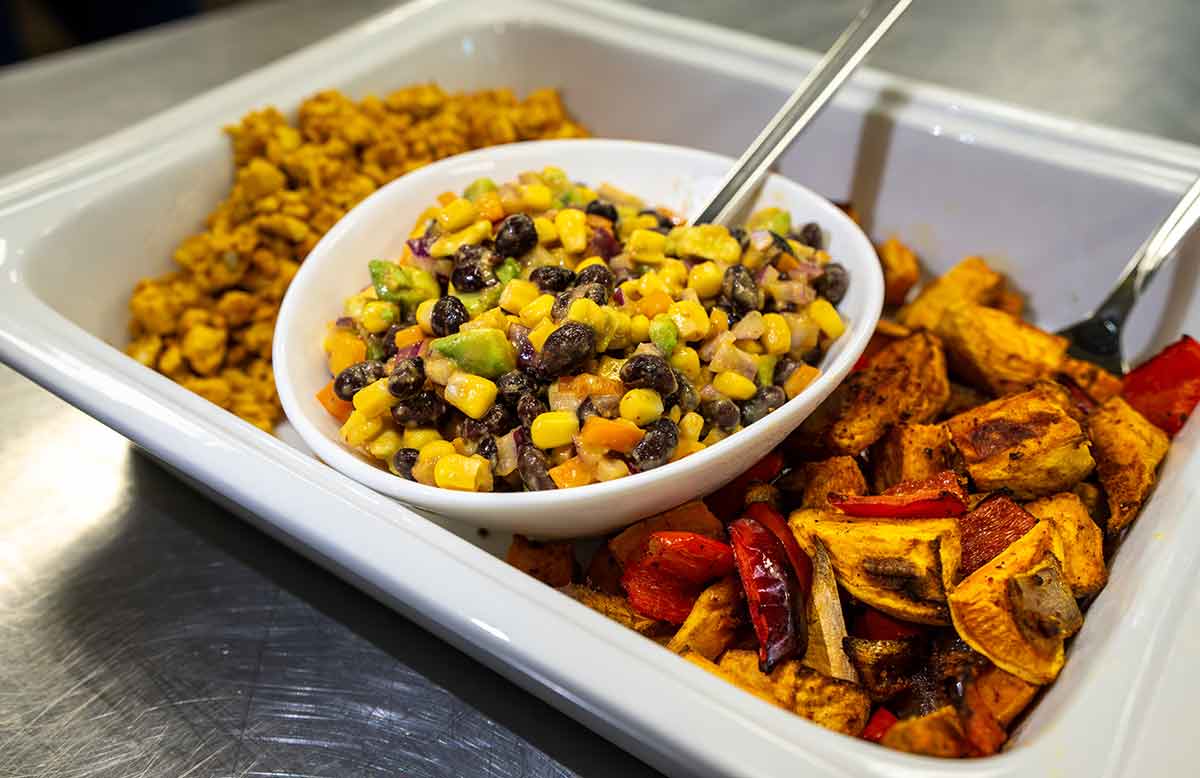
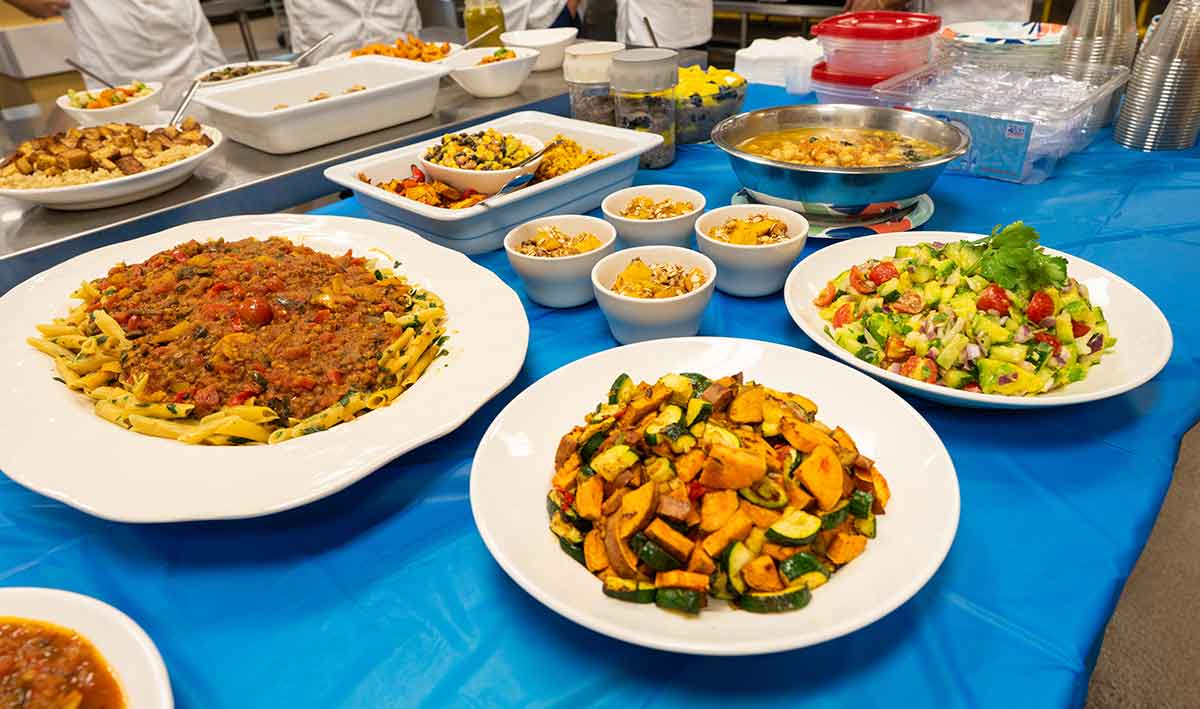
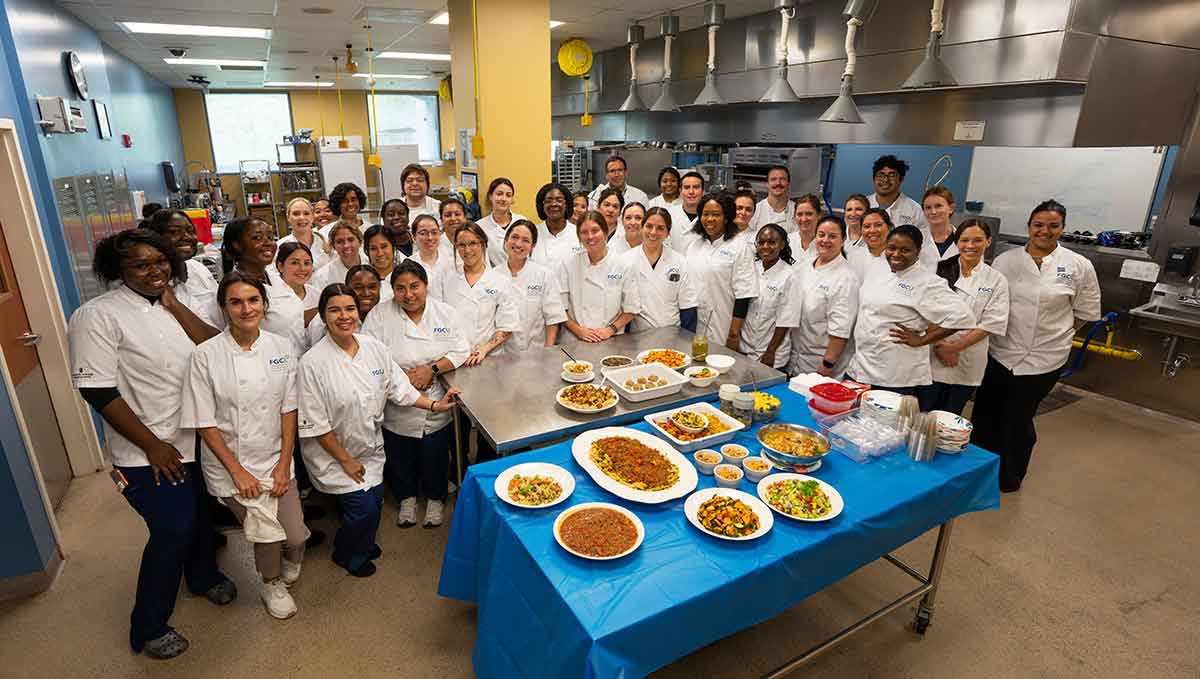
On a recent Friday morning, 44 doctor of nursing practice students at Florida Gulf Coast University gathered around tables piled with cauliflower steaks, coconut rice, colorful salads and chia-lime refreshments.
None of it was for a restaurant review. Instead, these dishes were part of an assignment to help a patient with hypertension and a penchant for Latin and Caribbean cooking.
In Loureen Downes’ Advanced Health Promotion class at FGCU, students are challenged to translate medical indicators into meals families can afford, enjoy and easily cook at home. Student teams receive patient scenarios to design evidence-based diets tailored to a patient’s condition, culture, budget and lifestyle. They then prepare and present their recommendations in collaboration with Rebecca Lerman, culinary instructor and culinary lab manager in Sugden Hall.
FGCU’s School of Nursing and School of Resort & Hospitality Management have combined clinical expertise with culinary education to help future healthcare providers translate nutrition science into practical, patient-centered solutions.
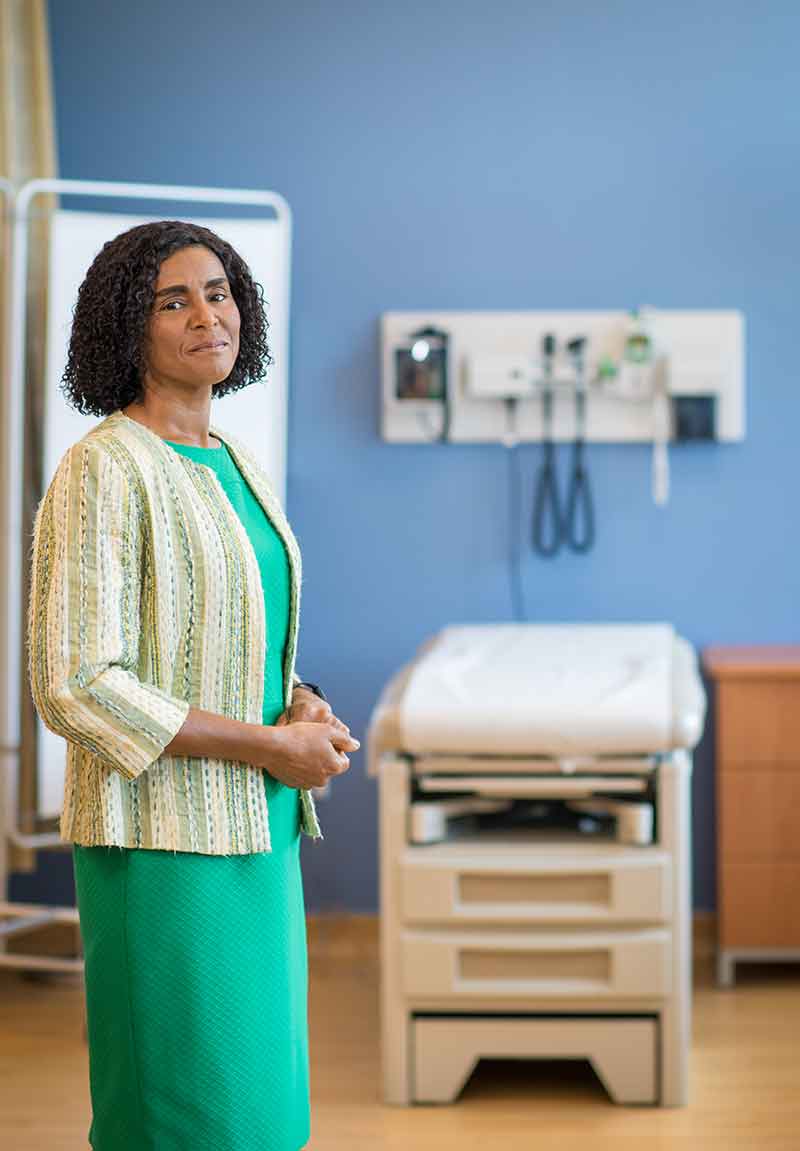
Loureen Downes is a professor and founding program director of the Doctor of Nursing Practice Program at FGCU.
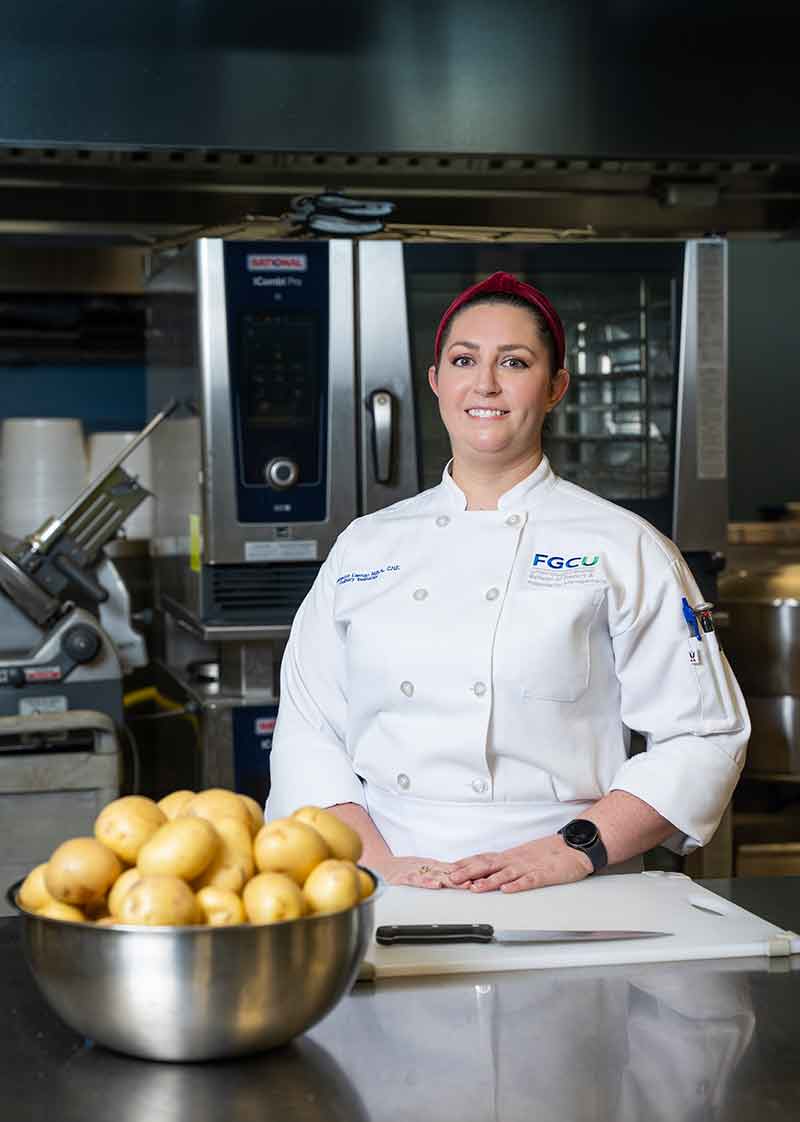
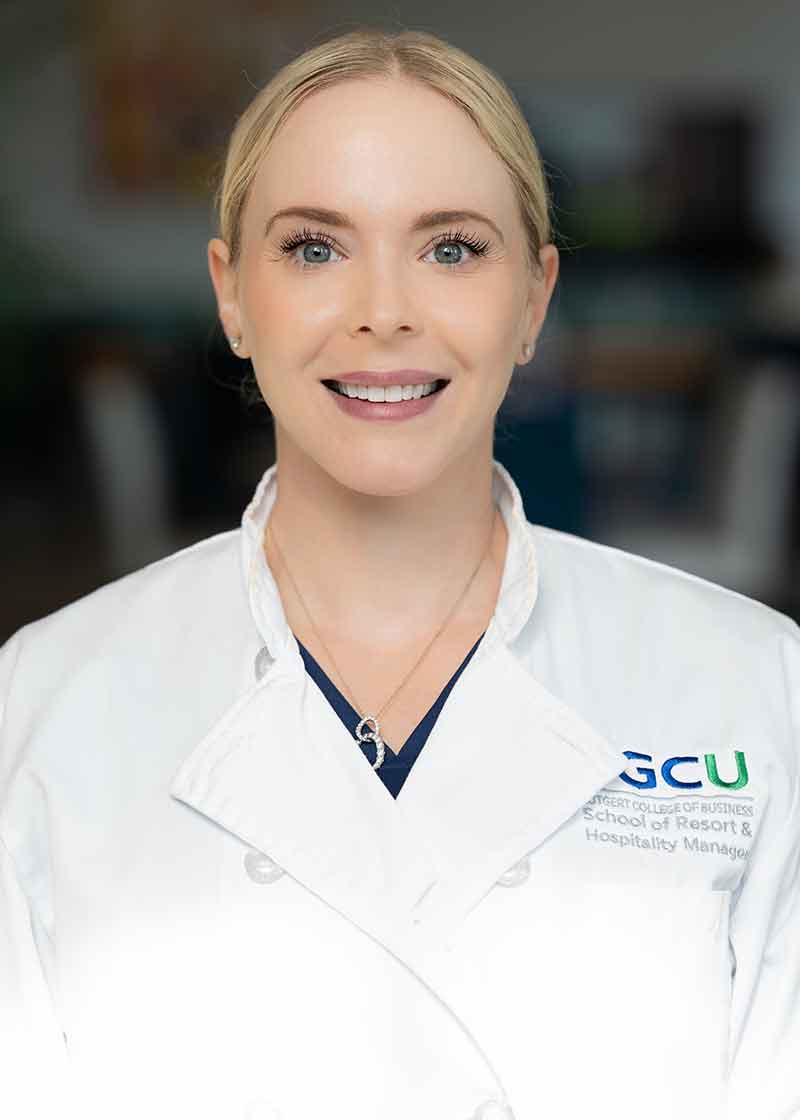
Rebecca Lerman is a culinary instructor and the culinary lab manager in Sugden Hall.
For the patient with hypertension, the doctor of nursing practice students reduced sodium levels in the diet while preserving flavor by using herbs, spices and ingredient substitutions that respected Latin and Caribbean cuisine. The course links clinical care with everyday lifestyle changes, applying nutrition strategies to promote health and prevent chronic disease.
“It’s to help students be better clinicians who can translate nutrition science into something meaningful and achievable in a patient’s kitchen. Ultimately, it bridges the gap between telling patients what to eat and giving them practical tools to actually do it,” Downes says.
Cooking up better health
A professor and founding program director of FGCU’s doctor of nursing practice program, Downes has more than 35 years of nursing experience. She is a board-certified family nurse practitioner and Diplomate of the American College of Lifestyle Medicine. Her research focuses on preventing and managing chronic disease through nutrition and physical activity.
Early in her career, Downes worked in cardiac rehabilitation, helping patients recover from surgery following heart attacks during a period when pioneering research by Dean Ornish was demonstrating the benefits of comprehensive lifestyle changes for people with coronary artery disease.
“For me, that was transformative — learning how nutrition, physical activity, stress management and smoking cessation could not only reduce cardiovascular risk, but in some patients could actually reverse the progression of coronary artery disease,” Downes says.
According to the American Heart Association, heart disease has been the leading cause of death in the U.S. for more than 100 years.
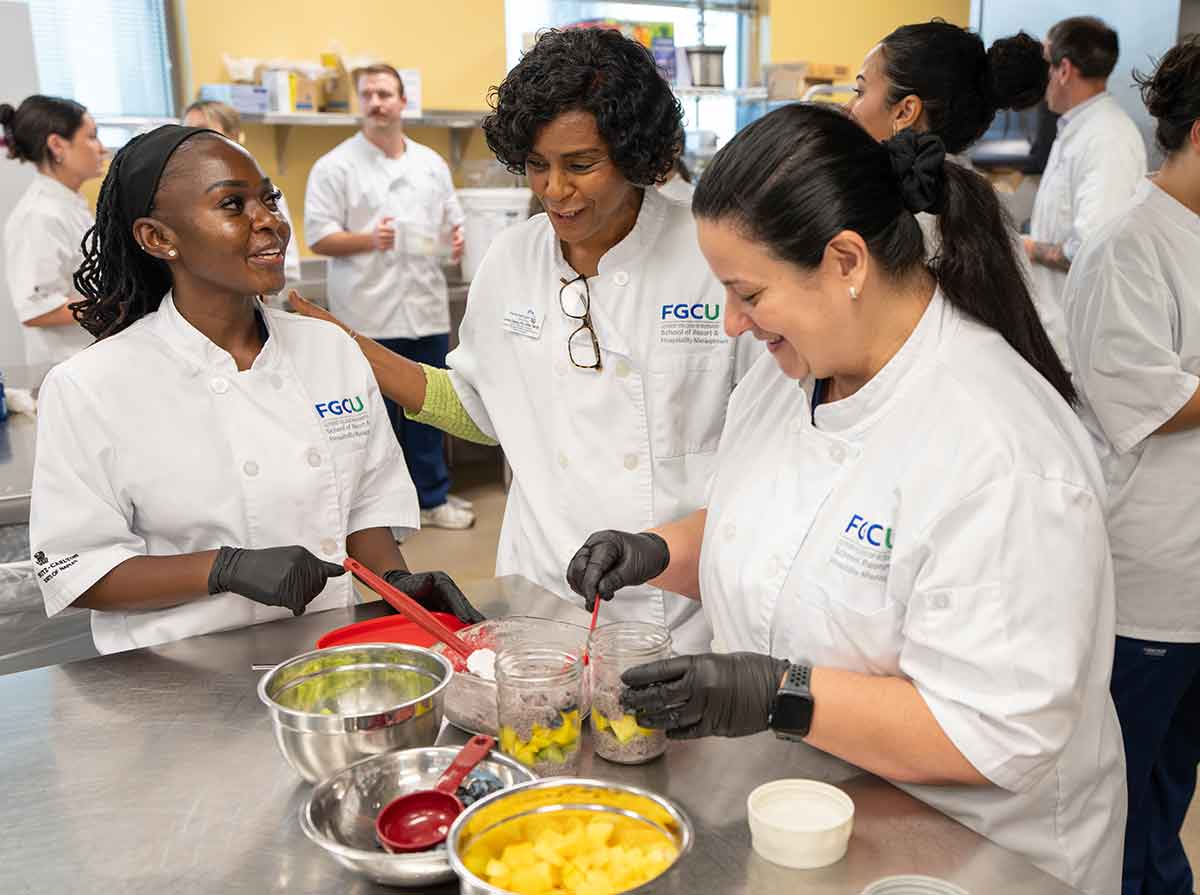
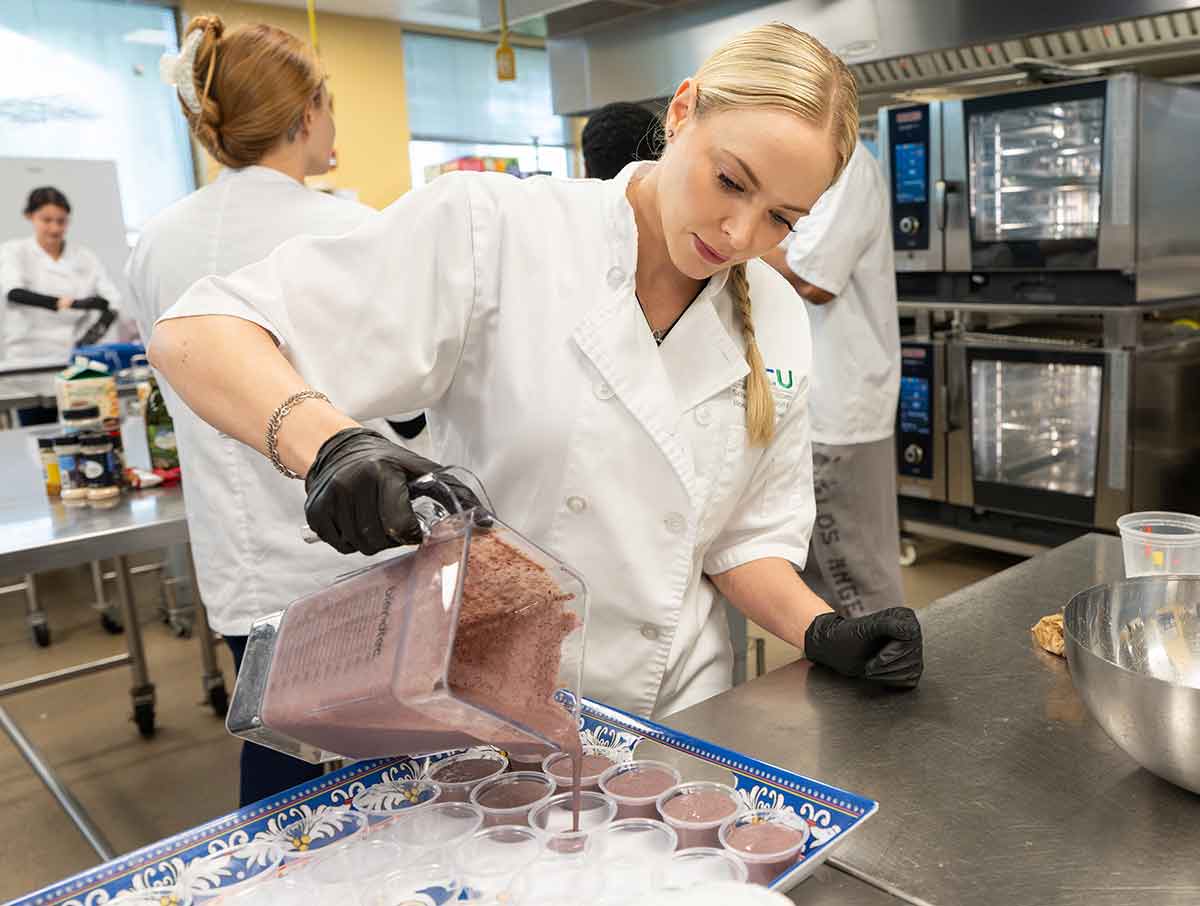
Rebecca Lerman, right, and Loureen Downes, center, work with students during an FGCU culinary medicine class designed to connect healthy cooking practices with patient care.
“Early in my nursing career, I really saw a need to educate patients and for providers to really use that knowledge in their toolbox to help patients improve their health behaviors and translate nutritional lifestyle recommendations into everyday life,” Downes says.
As chronic diseases continue affecting healthcare spending and mortality in the United States, clinicians increasingly need strategies that help patients make sustainable lifestyle changes. Lifestyle medicine is a young but growing field, and culinary medicine complements it by translating nutritional science into the practical, hands-on cooking skills needed to make healthy eating a sustainable daily habit.
“We’re not necessarily preparing our students to become chefs. Rather, we’re giving them hands-on experience in culinary medicine so they can apply these skills in their future roles as nurse practitioners, helping patients develop healthier eating habits in clinical settings and leading teaching kitchens in their communities,” Downes says.
Stefanie DiLauri is in the first year of the doctor of nursing practice program. A nurse for 13 years, she chose FGCU’s DNP program “because of the exceptional structure of its graduate programs. The genuine, one-on-one attention given to students is highly appreciated.”
The Morristown, New Jersey, native was excited to take Downes’ culinary medicine class and “merge culinary skills with clinical knowledge to inspire patients to be proactive, rather than reactive, about their health,” she says. “It has reinforced that proper nutrition isn’t just about a standard dietary guideline. It is a dynamic, foundational tool that directly impacts cellular health and serves as a primary intervention for preventing and managing chronic conditions.”
DiLauri recalls an early class exercise with Lerman that showed how practical kitchen knowledge builds confidence in people who may otherwise avoid cooking altogether.
“Learning how to properly and efficiently cut an onion was a massive eye-opener. It sounds simple or naive at first, but there is a highly efficient, well-thought-out methodology to it,” she says. “Culinary medicine represents a vital shift toward empowering patients through education.”
“A healthy life is a happy life,” DiLauri says. “Food truly is medicine.”
A recipe for success at FGCU
As demand for healthcare professionals continues to rise nationwide, FGCU’s Marieb College of Health & Human Services is helping meet that need by preparing the next generation of nurses and healthcare leaders. The college boasts the top-ranked bachelor of science in nursing program in Florida’s State University System based on licensure exam pass rates and has achieved 100% employment rates in seven program areas. The 2025 nurse practitioner graduates achieved a 100% pass rate and the 2026 graduating class of the doctor of nursing practice nurse anesthesia program also achieved a 100% pass rate on the national certification exam.
First-year Doctor of Nursing Practice student Stefanie DiLauri credits FGCU’s culinary medicine course with helping bridge culinary skills and clinical knowledge.
“I wish more people understood just how powerful our daily behaviors can be in preventing and managing chronic disease,” Downes says.
“The evidence suggests that addressing these major, modifiable risk factors could prevent up to 80% of chronic diseases, which includes a substantial proportion of heart disease, stroke and Type 2 diabetes. And lifestyle interventions are also recommended as an important part of preventing and managing other conditions, like high blood pressure, high cholesterol and pre-diabetes.”
For Downes, that is why culinary medicine is only one piece of a philosophy of care.
“Food is one part of a much larger lifestyle approach to health. We’re not training nurse practitioners to just learn how to cook. We’re hoping they will be able to better help prepare their patients to translate evidence into practical, sustainable behaviors they can incorporate into their everyday lives.”