Jamieson says her love of Southwest Florida was shaped long before she had the language for it. Growing up, she learned to read landscape as a poem. “We absorb so many visual poems as children, or I did, at least, out on the water with my dad, pre-dawn, our boat tied to a mangrove, waiting for a cut of silver to split the shoreline,” she says. “I got comfortable with quiet, my imagination filling the space between me and the natural world.”
For many American poets, love of place is inseparable from love of people — especially in moments of tragedy or shared loss. Poetry often becomes a way for communities to remember, to mourn and to insist that suffering not be forgotten.
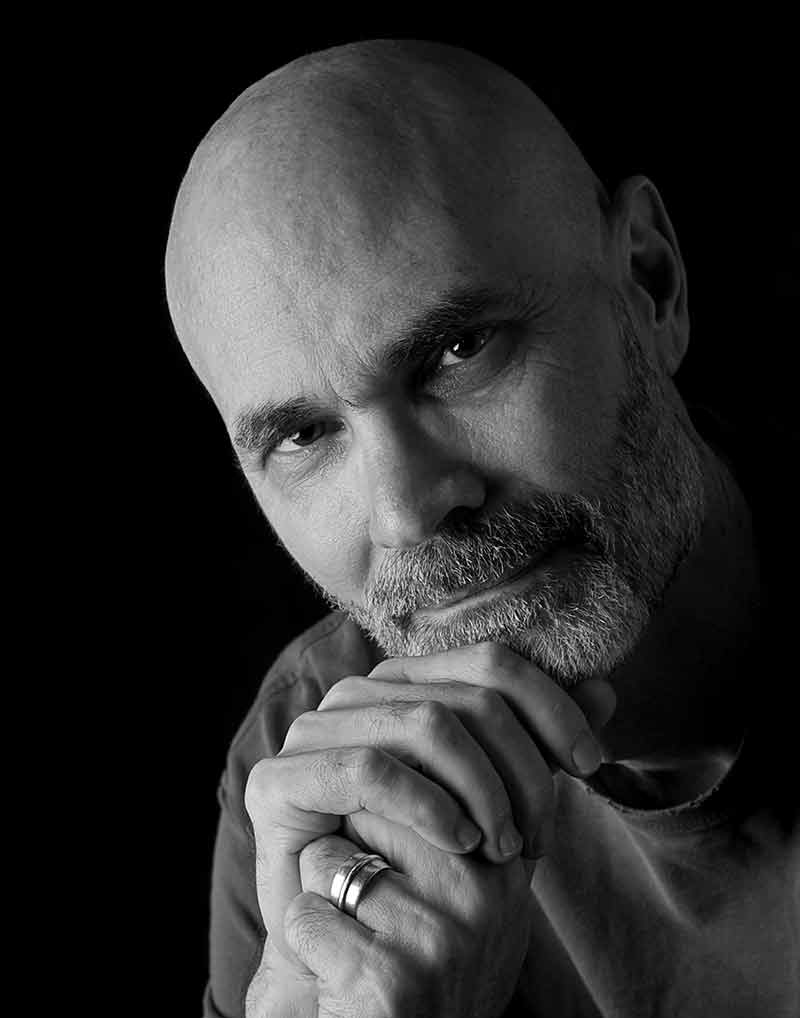
Brock recalls reading from his first book of poetry, “The Sunshine Mine Disaster,” at a 25‑year memorial for the 91 miners killed in a fire at the Sunshine Mine in Kellogg, Idaho. After the reading, two miners who had survived the fire approached him. One shook his hand and said simply, “We thought we had all been forgotten.”
Moments like that, Brock says, reveal why “we turn to poetry in such dark times. These are words that are not transactional, not self-serving and refuse to be easy platitudes.”
As the nation marks 250 years, American poems remind us that love has never been peripheral to the country’s literary imagination. It has been one of its most serious tools: a way to argue, grieve, remember, hope, love — and imagine what this country will be.